
How Fuel Prices Affect the Cost of Living in Quiet Singapore Neighborhoods
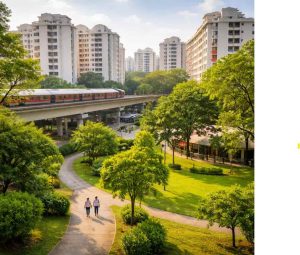 Fuel prices often make headlines, usually framed as a source of pressure on household budgets. In a compact, well-planned country like Singapore, those price shifts do matter. Yet in many quiet neighborhoods and serene residential areas, their effect on the cost of living is more balanced and, in some ways, softened by how people live, travel, and shop. Understanding this helps explain why life in calmer parts of the island remains steady and comfortable, even when fuel costs rise.
Why fuel prices matter in daily life
Fuel prices influence more than just the cost of filling up a car. They affect transport services, logistics, and even how goods reach local shops. When fuel becomes more expensive, delivery fees may rise, and service providers adjust their pricing.
In Singapore, however, fuel is only one part of a much larger system. Public transport, urban density, and government planning all help buffer households from sudden spikes. This is especially noticeable in quieter neighborhoods, where lifestyles tend to be more local and less car-dependent.
Public transport keeps costs predictable.
One of Singapore’s greatest strengths is its public transport network. MRT lines and bus routes reach deep into residential estates, including areas known for their calm pace. In places like Bishan or Tiong Bahru, most daily needs are a short walk or ride away.
Because buses and trains rely on a mix of energy sources and long-term pricing structures, fare adjustments are gradual. Changes in fuel prices do not translate into sudden jumps in daily commuting costs. For residents, this creates a sense of stability. Monthly transport expenses remain predictable, making budgeting easier.
Car ownership is a choice, not a necessity.
In quieter neighborhoods, many households choose not to own a car. This is partly cultural and partly practical. Parking is limited, roads are calm, and amenities are close by. When fuel prices rise, the direct impact on these households is minimal.
For those who do drive, trips are often short. School runs, grocery shopping, and visits to nearby parks rarely involve long distances. Higher fuel prices may slightly increase monthly expenses, but not to the extent seen in car-dependent cities elsewhere. This keeps overall living costs manageable.
Local shops benefit from close-knit communities.
Small supermarkets, wet markets, and neighborhood eateries are common in Singapore’s residential areas. These businesses often source supplies through established distribution networks that prioritize efficiency. While fuel costs can affect logistics, the impact is spread across high volumes and optimized routes.
In quieter neighborhoods, shop owners also know their customers well. Price changes tend to be modest and carefully considered. Instead of sharp increases, adjustments are gradual. Residents benefit from consistency and trust, which helps maintain a positive day-to-day living experience.
Home energy use remains efficient.
Fuel prices are sometimes linked, in people’s minds, to household energy bills. In Singapore, most homes rely on electricity rather than direct fuel for daily use. Air-conditioning, cooking, and appliances are powered through a centralized grid designed for efficiency.
Many newer residential developments include energy-saving features, while older estates have undergone upgrades. This reduces sensitivity to fuel price fluctuations. In quiet neighborhoods, where homes are often well-maintained and shaded by greenery, energy use can be surprisingly moderate.
Services adapt without disruption.
Services such as waste collection, maintenance, and local deliveries do face higher operating costs when fuel prices rise. Yet Singapore’s service sector is known for its quick adaptability. Route planning, shared logistics, and digital coordination help control expenses.
For residents, this means essential services continue without noticeable disruption. Fees may adjust slightly over time, but service quality remains high. The calm, orderly feel of quieter neighborhoods is preserved.
A slower pace encourages mindful spending.
Quiet neighborhoods often promote a slower, more intentional lifestyle. Residents walk more, dine locally, and spend time in nearby parks or community spaces. This naturally limits exposure to fuel-related costs.
Instead of frequent long trips or impulse spending tied to travel, daily life revolves around the immediate area. Over time, this pattern supports steady household finances. Fuel price changes become just one factor among many, rather than a dominant concern.
Government policies provide a steady hand.
Singapore’s approach to urban planning and transport pricing is long-term and measured. Policies aim to discourage excessive car use while ensuring public transport stays reliable and affordable. Fuel taxes and vehicle-related costs are structured to reflect broader goals, not short-term market swings. For people living in quieter neighborhoods, this creates confidence. Even when global fuel prices fluctuate, local living conditions remain stable. That sense of predictability is a real asset.
A balanced outlook on living costs
Fuel prices do affect the cost of living, but in Singapore’s quieter neighborhoods, the effect is moderated by smart design and everyday habits. Strong public transport, local amenities, and efficient services all work together to reduce pressure on households.
Rather than feeling squeezed, many residents experience a steady, manageable cost of living. The quiet streets, nearby conveniences, and thoughtful planning turn potential challenges into something far less daunting.
In the end, fuel prices are just one piece of the puzzle. In these neighborhoods, quality of life is shaped more by connection, convenience, and balance. And that is a positive story worth noting.

